
Hands-on Assists Training
A two-day immersive training in conscious, safe, and skillful touch.
A New Paradigm of Touch in Yoga
Shifting the way we understand, offer, and receive hands-on assists
This training is about shifting the paradigm around touch in yoga classes.
The purpose of this training is to help yoga teachers offer hands-on assists with confidence, clarity, and presence by developing the inner awareness and anatomical understanding needed to support students safely and meaningfully. Rather than focusing on technique alone, the training emphasizes energetics, nervous system awareness, somatics, intentional touch, and the teacher’s own regulation—so that every assist arises from listening, subtlety, and respect for the student’s experience.
Teachers learn to build personal awareness and internal steadiness so assists come from a grounded, confident place. They develop an understanding of landmarks, biomechanics, and the nuances of physical and energetic intimacy in a way that supports clear, non-verbal communication.
The training also works with the nervous system and the flow of prāṇa, so teachers know what they are affecting in a student’s body and why. Assists are taught in a way that prioritizes safety, attunement, and the student’s unique process—not results or aesthetic outcomes.
Overall, this training aims to create a more conscious and refined approach to touch in yoga—one where less is more, harm reduction is central, and assists empower students through presence, co-regulation, and somatic understanding.
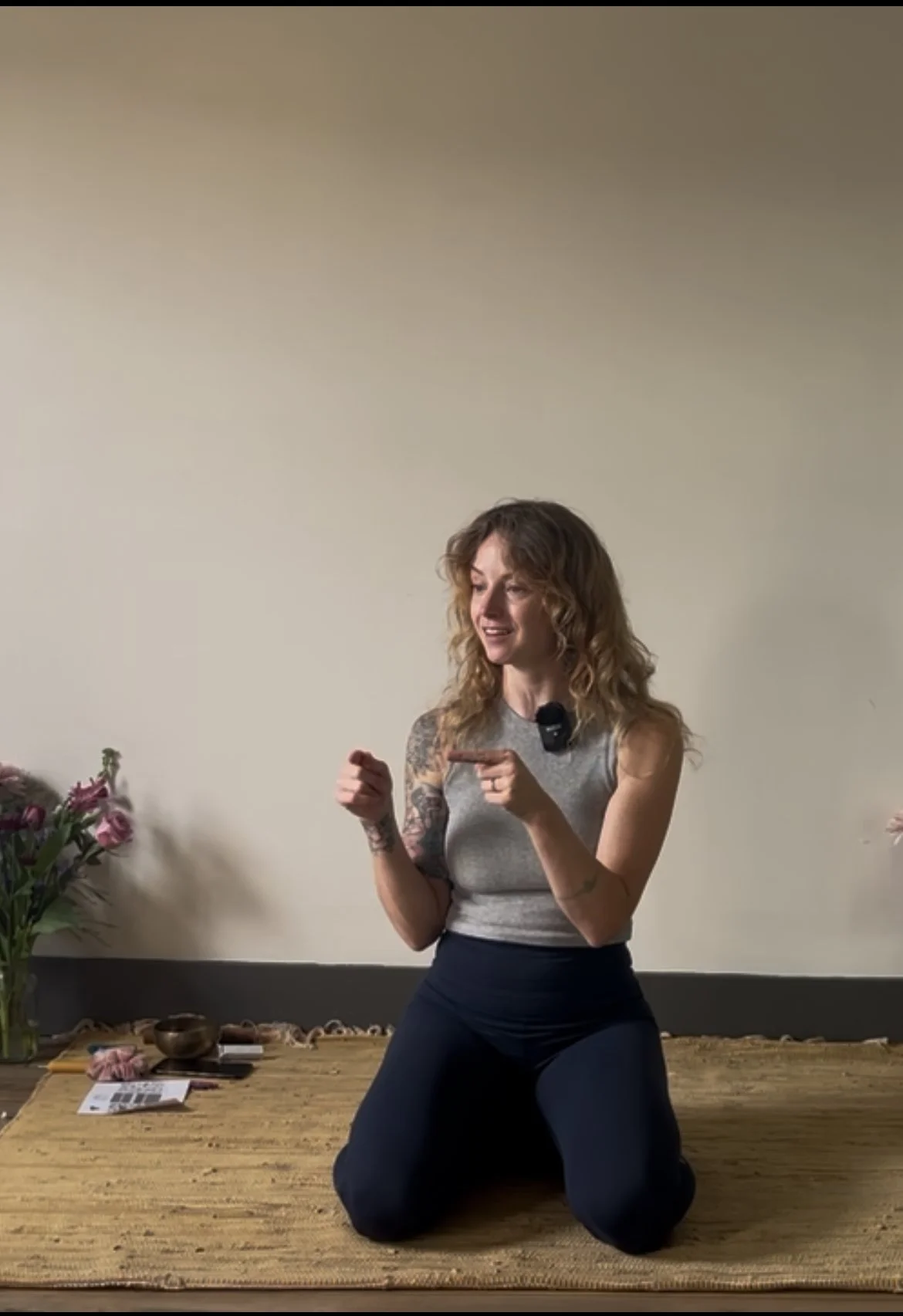
Why Most Hands-On Assists Miss What Matters Most
Many yoga teachers are taught how to assist, but not how to listen. Most hands-on assists today focus on technique, shapes, or outcomes — often without enough attention to the student’s nervous system, boundaries, or inner experience
What is often missing is a way of working with touch that:
Is rooted in nervous system awareness and consent
Prioritizes presence, attunement, and subtle listening over force or correction
Honors the student’s unique body, history, and boundaries
Uses touch as communication, not control
Uses touch as communication, not control
What Makes This Training Different
✦ Focuses on nervous system awareness, consent, and co-regulation
✦ Trains you to offer assists from presence, not force or correction
✦ Develops deep somatic listening and subtle perception through touch
✦ Integrates anatomy, biomechanics, and energetic awareness
✦ Emphasizes “less is more” — harm reduction and intelligent simplicity
✦ Teaches how to support students without overriding their process
✦ Builds confidence, clarity, and internal steadiness in the teacher
The Core Philosophical Orientation
“True hands-on assisting is not about correcting bodies — it is about listening, attuning, and responding with presence, respect, and care”
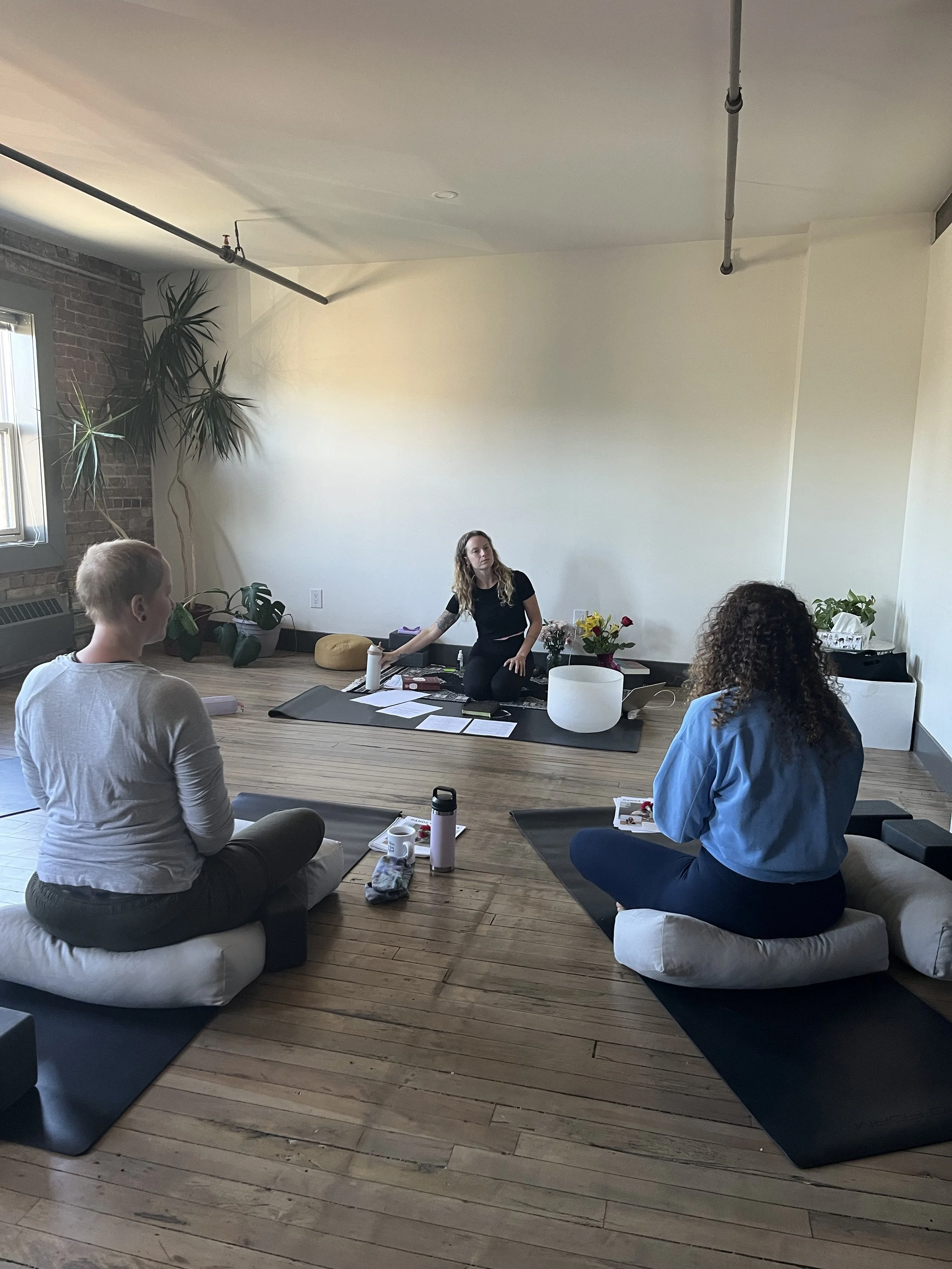
Touch is a Skilled and Conscious Practice
This training is built on a few essential foundations:
Touch is not mechanical — it is relational, communicative, and rooted in presence.
Teachers learn to build inner steadiness so assists come from regulation, not force or uncertainty.
We train clear anatomical landmarks, biomechanics, and nervous system awareness so touch is safe and supportive.
You’ll learn when to assist, when not to assist, and how to listen before intervening..
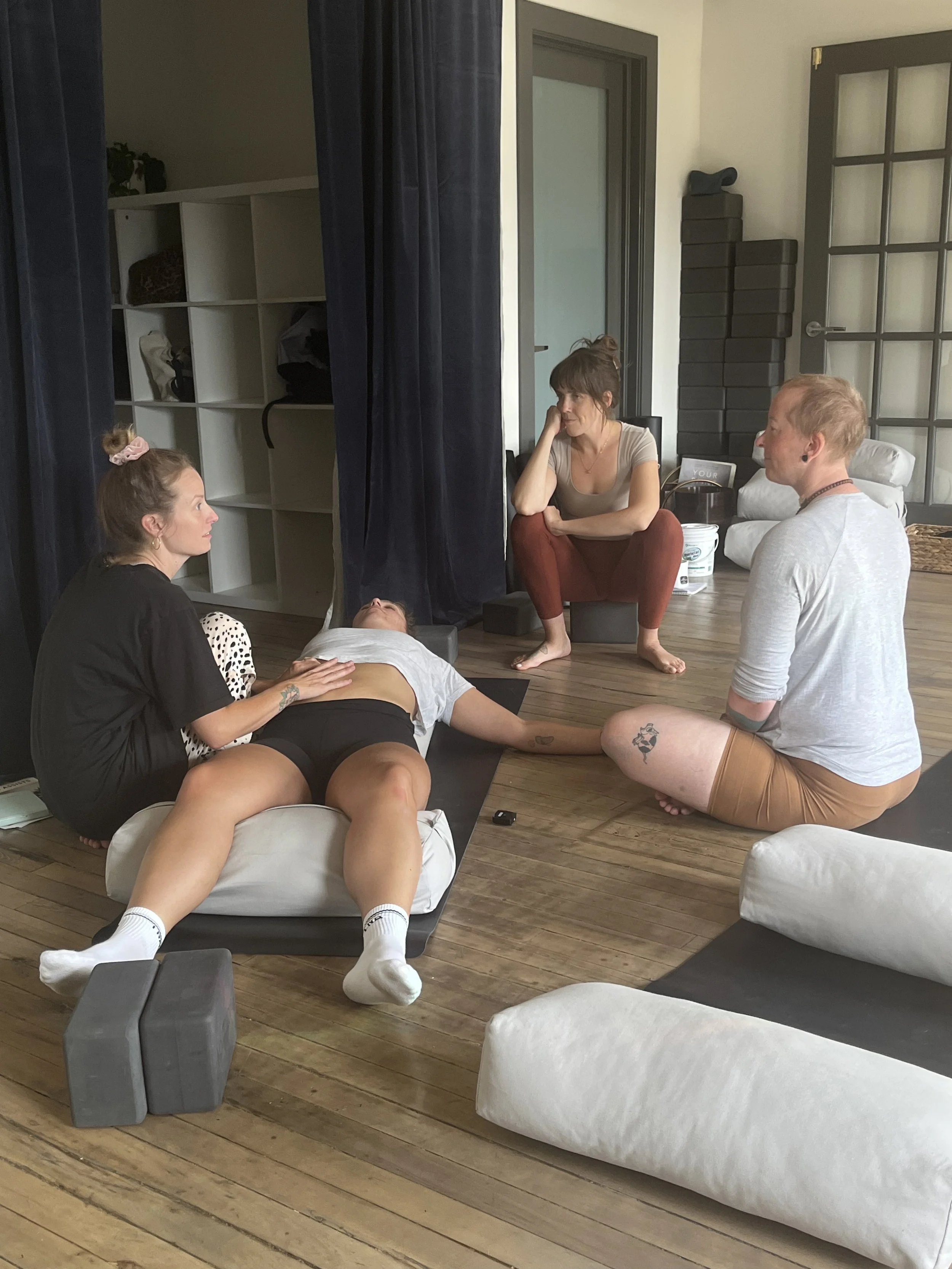
Integration Is a Core Skill
This training treats integration as a central part of the work, not something that happens accidentally or is left to chance. Touch, learning, and nervous system experiences all require time, reflection, and skilled space-holding to truly land.
Integration is supported through:
• Structured savāsana and rest periods
• Post-practice circling and guided reflection
• Learning how to hold integration spaces with confidence
• Guided self-inquiry and embodied processing
Integration is trained as a core facilitation skill, not an optional add-on.
Touch as a Skilled and Conscious Practice
- Touch is relational, communicative, and rooted in presence
- Learn to offer assists from inner steadiness, not force or uncertainty
- Clear anatomical landmarks and biomechanics for safe, supportive touch
- Understanding nervous system responses, boundaries, and consent
It’s Not About Forcing Change
- Learning when to assist and when not to intervene
- Prioritizing attunement over correction or aesthetic outcomes
- Using touch as communication, not control
- Supporting the student’s unique process with respect and care

What You Will Learn
- How to read nervous system and somatic cues in real time
- How to offer assists with clarity, confidence, and presence
- How to work with boundaries, consent, and subtle communication
- How to integrate anatomy, biomechanics, and energetic awareness
- How to support students without overriding their process
Training Overview
- Two-day immersive in-person training
- Focused on hands-on assists, nervous system awareness, and somatics
- Led by Brittanie Firth (Osteopath, Yoga Teacher/Trainer of 15 years)
- Dates: May 2026 (TBA)
Who This Is For
Training Details
Two-Day In-Person Immersive Training
Dates: May 2026 (TBA)
Pricing and registration opening soon.